In modern emergency medical services, time and coordination are very important. Every second matters when responding to emergencies, and even small delays can affect patient care. Managing staff shifts, vehicle availability, and emergency response schedules manually can be difficult and time-consuming. This is where EMS scheduling software becomes highly valuable. It helps EMS organizations organize operations in a smoother, faster, and more reliable way. By using digital tools, teams can reduce confusion, save time, and improve overall performance in daily operations.
Streamlining Scheduling and Shift Management
One of the biggest benefits of EMS scheduling software is how it simplifies shift planning. In an EMS organization, staff schedules often change due to emergencies, absences, or sudden workload increases. Managing these changes manually can create errors and overlap in shifts.
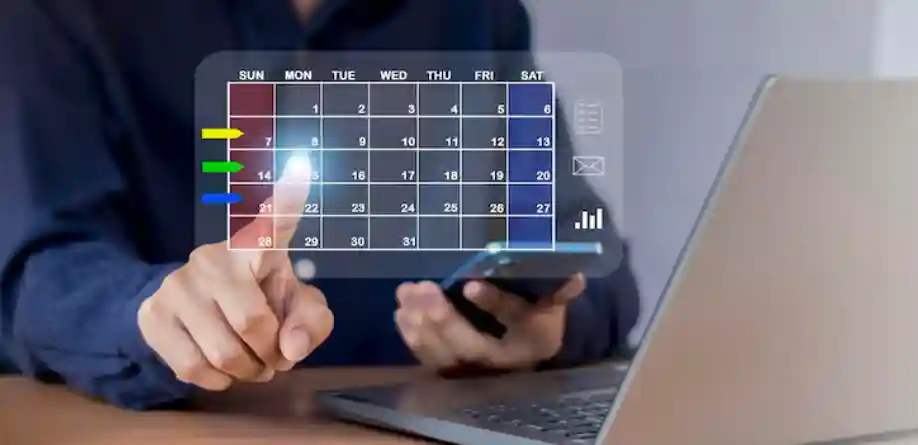
With EMS scheduling software, administrators can easily create, update, and adjust schedules in real time. The system allows clear visibility of who is on duty, which reduces the chances of understaffing or overstaffing. It also ensures that all shifts are properly covered without confusion. As a result, the scheduling process becomes faster and more accurate, helping the organization run more smoothly every day.
Reducing Administrative Workload
Administrative work in EMS organizations can be heavy, especially when handled manually. Staff need to track hours, manage shift swaps, and maintain records of availability. This often takes a lot of time that could otherwise be used for patient care and operational planning.
EMS scheduling software reduces this workload by automating many routine tasks. It can track working hours, update schedules instantly, and store all data in one centralized system. This makes it easier for managers to access information without going through paperwork or multiple spreadsheets. By reducing manual effort, EMS scheduling software allows staff to focus more on important medical responsibilities instead of administrative tasks.
Improving Response Times and Resource Allocation
Quick response is a key factor in emergency medical services. When resources are not properly allocated, delays can happen, which may affect patient outcomes. EMS scheduling software helps solve this issue by providing better visibility of available staff and vehicles at all times.
With real-time updates, dispatchers can quickly assign the nearest and most suitable team to an emergency. This improves response times and ensures that resources are used efficiently. The system also helps in planning ahead for peak hours or high-demand situations, making sure that the right number of staff is always available when needed. In this way, EMS scheduling software plays an important role in improving operational efficiency and emergency readiness.
Enhancing Communication and Coordination
Effective communication is essential in any EMS organization. Miscommunication can lead to delays, confusion, and even mistakes in emergency response. EMS scheduling software improves communication by keeping all team members updated in real time.
When schedules change or new assignments are made, staff can receive instant notifications. This helps everyone stay informed without relying on phone calls or manual updates. It also improves coordination between dispatch teams, paramedics, and management. As a result, the entire organization works in a more connected and organized way, which is very important in emergency situations.
Conclusion
EMS scheduling software has become an essential tool for modern emergency medical service organizations. It improves efficiency by simplifying scheduling, reducing administrative work, and ensuring better use of resources. It also enhances communication and helps improve response times during critical situations. By automating and organizing daily operations, EMS scheduling software allows teams to focus more on saving lives and delivering high-quality patient care. In today’s fast-paced environment, adopting such technology is not just helpful but necessary for building a more effective and reliable EMS system.