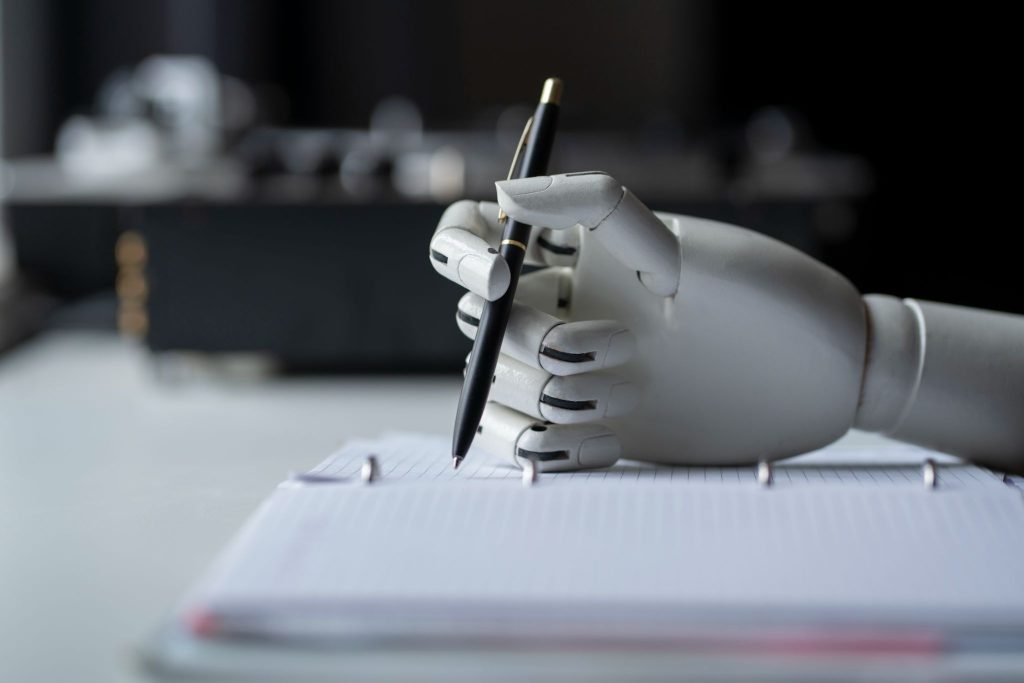
The rise of ai writing tools has sparked one of the most debated questions in the digital world. Can machines truly replace human writers? At first glance, the answer may seem simple. AI can generate articles, craft emails, and even mimic tone. It is fast, efficient, and constantly improving.
But writing is not just about producing words. It is about emotion, perspective, and meaning. It reflects human experience in ways that go beyond logic. This is where the debate becomes more complex.
As businesses and creators increasingly rely on automation, understanding the role of AI in writing is no longer optional. It is essential. This article explores whether AI can fully replace human writers or whether the future lies in collaboration rather than substitution.
The Rise of AI Writing Tools in Modern Content Creation
AI writing tools have evolved rapidly in recent years. What started as simple grammar correction software has transformed into advanced systems capable of generating full-length articles.
Platforms like Grammarly and ChatGPT have changed how people approach writing. They assist with structure, tone, and clarity, making content creation more accessible.
This growth is driven by demand. Businesses need content at scale. Marketers require speed. AI tools meet these needs by reducing the time and effort required to produce written material.
What AI Writing Tools Do Exceptionally Well
AI excels in areas that require speed, consistency, and data processing. It can analyze large volumes of information and generate content quickly.
Efficiency and Scalability
AI tools can produce multiple pieces of content in minutes. This makes them ideal for tasks like product descriptions, basic blog posts, and repetitive writing.
Data-Driven Accuracy
-
Ability to process large datasets for factual content
-
Consistent tone across multiple outputs
-
Quick adaptation to different writing styles
These strengths make AI a powerful tool in content production.
Where Human Writers Still Hold the Advantage
Despite its capabilities, AI has limitations. Writing is not just a technical task. It is a creative and emotional process.
Emotional Depth and Authenticity
Human writers bring personal experiences and emotions into their work. This creates content that feels genuine and relatable. AI, on the other hand, relies on patterns and data.
Critical Thinking and Original Ideas
Humans can analyze complex situations, form unique opinions, and create original concepts. AI generates content based on existing information, which can limit true innovation.
Creativity: The Defining Difference
Creativity is one of the most significant distinctions between AI and human writers.
Imagination Beyond Algorithms
Human creativity is unpredictable. It combines intuition, emotion, and experience. This allows writers to create stories and ideas that feel fresh and unique.
AI and Pattern-Based Generation
-
AI identifies patterns in existing content
-
It recreates structures that have worked before
-
Innovation is limited by available data
While AI can mimic creativity, it does not truly originate it.
The Role of AI in Supporting Writers
Rather than replacing writers, AI is increasingly becoming a tool that enhances their work.
Boosting Productivity
AI helps writers overcome challenges like writer’s block and tight deadlines. It provides suggestions and generates drafts that can be refined.
Enhancing Editing and Optimization
-
Grammar and readability improvements
-
SEO optimization for better visibility
-
Content structuring for clarity
These functions allow writers to focus more on creativity and strategy.
Ethical Considerations in AI-Generated Content
The use of AI in writing raises important ethical questions.
Issues such as plagiarism, misinformation, and lack of transparency need to be addressed. Readers deserve to know whether content is human-written or AI-generated.
There is also the question of originality. If AI relies on existing data, where does true ownership lie? These concerns highlight the need for responsible use of AI tools.
The Impact on Writing Careers
AI is changing the writing profession. Some fear that it will replace jobs, while others see it as an opportunity.
Shifting Skill Requirements
Writers are now expected to understand technology and use AI tools effectively. This creates a new hybrid role that combines creativity with technical knowledge.
Opportunities for Growth
-
Increased demand for high-quality, human-driven content
-
New roles in content strategy and editing
-
Greater focus on storytelling and brand voice
AI may change how writers work, but it does not eliminate the need for them.
Expert Insight: Collaboration Over Replacement
Experts in the field agree on one key point. AI is not a replacement for human writers. It is a complement.
The most effective approach is to combine the strengths of both. AI handles repetitive tasks and data-driven content, while humans focus on creativity and strategy.
This collaboration leads to better results. It increases efficiency without sacrificing quality.
Common Misconceptions About AI Writing Tools
There are many misconceptions surrounding AI in writing.
One common belief is that AI can fully understand human emotions. In reality, it can only simulate them based on patterns.
Another misconception is that AI produces perfect content. While it is efficient, it often requires human editing to ensure accuracy and relevance.
Understanding these limitations helps in using AI more effectively.
The Future of Content Creation
The future of writing is not about choosing between AI and humans. It is about integration.
As technology continues to evolve, AI tools will become more advanced. However, the need for human creativity and perspective will remain constant.
Content creation will become more collaborative. Writers who embrace AI will have a competitive advantage, while those who rely solely on automation may struggle to stand out.
Emotional Connection: The Heart of Human Writing
At its core, writing is about connection. It is about sharing ideas, telling stories, and creating meaning.
AI can generate content, but it cannot feel. It cannot experience life in the way humans do. This emotional gap is what keeps human writers essential.
Readers are drawn to authenticity. They seek content that resonates with their experiences. This is something only humans can truly provide.
Conclusion
AI writing tools have transformed the way content is created. They offer speed, efficiency, and scalability. But they do not replace the human element of writing.
The future lies in balance. AI and human writers each bring unique strengths. Together, they can create content that is both efficient and meaningful.
Rather than asking whether AI will replace writers, the better question is how writers can use AI to enhance their work.
In this evolving landscape, those who adapt will thrive. Those who understand the value of both technology and creativity will define the future of writing.